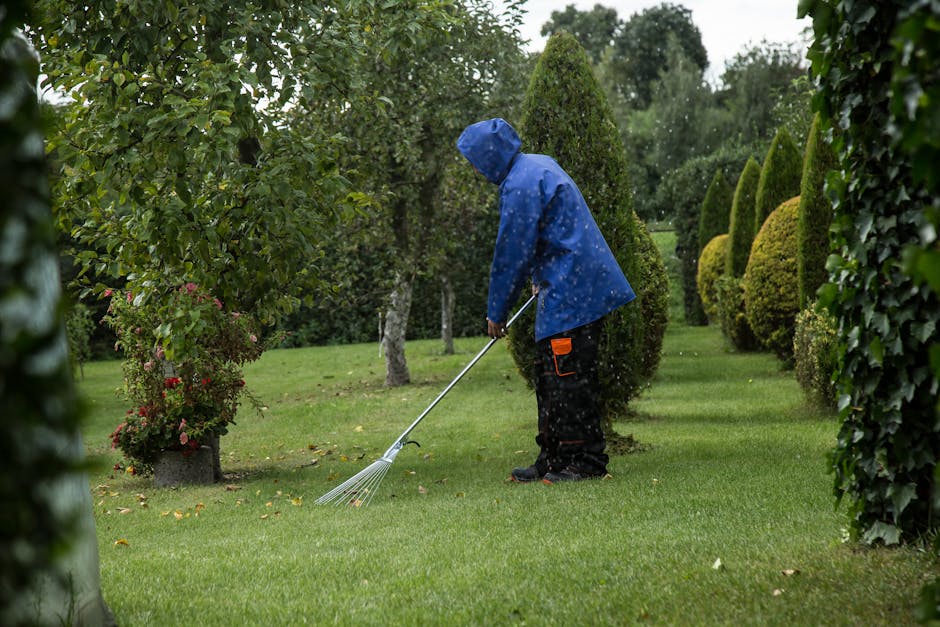
Avoid hidden charges when booking Kilburn gardening services
If you have ever booked garden work and then felt a bit blindsided by the final bill, you are not alone. Hidden charges can creep in through extras, vague wording, or assumptions that were never agreed in the first place. The good news is that you can avoid hidden charges when booking Kilburn gardening services with a few clear checks before anyone turns up with a mower, hedge trimmer, or wheelbarrow. This guide walks you through what to look for, how pricing should be presented, and the simple questions that help you keep the budget under control without making the process awkward.
To be fair, most gardening jobs are straightforward when the quote is clear. It is the little grey areas that cause grief: access issues, waste removal, materials, minimum call-out fees, and "small extras" that somehow become not-so-small. Let's unpack all of that properly.
Why Avoid hidden charges when booking Kilburn gardening services Matters
Garden work looks simple from the outside, but pricing can change fast if the job has not been scoped properly. A neat front lawn in the morning can become a bigger project once a gardener discovers heavy overgrowth, broken access, stubborn ivy, or piles of green waste that need taking away. That does not mean anyone is trying to pull a fast one. It usually means the quote was too loose.
When you are paying for local garden help, hidden charges matter for three reasons. First, they affect your budget. Second, they make it harder to compare one provider with another. Third, they damage trust. Nobody enjoys that slightly awkward moment when a "quick tidy-up" suddenly costs more because the quote did not mention disposal, fuel, or extra labour. Bit annoying, really.
In practical terms, avoiding surprise fees also helps you choose the right service. A clear estimate tells you whether you need regular garden maintenance, a one-off clearance, or something more specialised like hedge trimming in Kilburn. That clarity saves time, and usually a fair bit of stress too.
If you like to plan properly, you may also find it useful to understand how a provider presents its prices before you book. A well-structured pricing and quotes page should help set expectations, not confuse them.
How Avoid hidden charges when booking Kilburn gardening services Works
Hidden charges usually appear when the work is quoted before the full scope is understood. Gardening is full of variables. Two gardens that look similar from the pavement can need completely different amounts of labour once you step inside. One may just need a tidy lawn and border weeding. The other may have a patchy lawn, old compost bags, uneven paving, and overgrown shrubs that have taken on a life of their own.
So how does pricing usually work?
- Fixed quote: You are given a clear price for a clearly defined job.
- Hourly rate: You are charged for time spent, which can suit open-ended work but needs boundaries.
- Day rate or half-day rate: Useful for larger jobs, though the scope still needs a written agreement.
- Base fee plus extras: Common where waste removal, materials, or specialist equipment are added separately.
The problem is not the pricing model itself. It is the lack of detail. A quote that simply says "garden tidy-up" tells you almost nothing. Does that include pruning? Bagging waste? Loading it away? Edging? Leaving the patio swept clean? The answer should be written down before work begins, not guessed after the fact.
A trustworthy provider should be able to explain what is included and what is optional. If they need to inspect the site first, that is normal. In fact, for more involved work, an on-site visit is often the safest way to avoid surprises. It gives the gardener a chance to see access, garden size, tree cover, slope, and the sort of mess that never shows up in photos. Handy, that.
Key Benefits and Practical Advantages
Getting pricing right is not just about saving a few pounds. It changes the whole experience.
- Predictable budgeting: You can plan the spend without mentally adding "just in case" money to everything.
- Better comparisons: Clear quotes make it easier to compare like for like.
- Less awkwardness: No uncomfortable money conversation at the end of the job.
- Better service fit: You can choose the right level of care, from one-off work to ongoing support.
- Lower risk of disputes: Written expectations reduce misunderstandings.
There is also a quality benefit. When a gardener knows the scope is properly defined, they can prepare properly. They bring the right tools, allocate enough time, and decide whether specialist equipment is needed. That matters for services such as lawn mowing, where lawn size and grass condition affect the time needed, or lawn care, where the job might involve more than just a quick cut.
And if your project is broader than routine maintenance, pricing clarity becomes even more valuable. A bigger job like landscaping can involve many moving parts, from materials to labour sequencing. That is not the sort of thing you want to discover halfway through the job.
Who This Is For and When It Makes Sense
Honestly, this advice is for almost anyone booking outdoor work. But it is especially useful if you fall into one of these groups:
- Busy homeowners who want the garden sorted quickly and do not have time to debate invoices.
- Landlords and letting agents who need clear, repeatable pricing for property upkeep.
- First-time customers who are not sure how gardening quotes are supposed to work.
- People booking seasonal work such as hedge cutting, leaf clearance, or pre-summer tidy-ups.
- Anyone with a complex garden where access, overgrowth, or waste removal could alter the final cost.
It also makes sense if you are booking one of the more specialist services, such as tree surgery or fencing, where the work can change depending on materials, site conditions, or waste handling. Those jobs often need more detailed scoping than a standard tidy-up.
For a lot of people, the real question is not "Can I get garden work done?" but "Can I get it done without the bill drifting upward?" That is the point of this guide. You should feel in control before anyone starts cutting, digging, or clearing.
Step-by-Step Guidance
Here is a simple way to keep hidden fees out of the equation.
-
Describe the job in plain English.
Do not just say "garden tidy." Say what you want done: lawn cut, weeds removed, hedge trimmed, borders cleared, leaves collected, patio swept, waste taken away. The more specific you are, the less room there is for ambiguity.
-
Ask what is included in the price.
Make the provider spell it out. Does the quote include labour, travel, basic tools, disposal of cuttings, and cleanup? If not, ask what sits outside the quote.
-
Check for possible extras.
Common extras include access problems, heavy green waste, bagging, material costs, weekend work, and specialist kit. Ask which of those may apply to your garden.
-
Request a written quote or estimate.
Written terms are much easier to refer back to than a passing phone conversation. Even a short email can help avoid confusion later.
-
Clarify how changes are handled.
If the gardener finds more work than expected, what happens next? A good provider should pause, explain, and agree any added cost before continuing.
-
Confirm the payment terms.
Ask when payment is due, what methods are accepted, and whether deposits are required. If card payments, online payments, or invoices are involved, make sure the process is clear. You can also review a provider's payment and security information before booking.
-
Keep the final agreement.
Save the quote, the job description, and any follow-up messages. It sounds a bit dull, yes, but it is very useful if a question comes up later.
A small real-world example: a customer may ask for "hedge trimming and a general tidy." That sounds simple. But if the hedge lines two boundaries, needs height reduction, and the clippings fill several bags, the job is no longer a five-minute cut-and-run. The quote should reflect the actual job, not the headline version of it.
Expert Tips for Better Results
These are the little habits that help you book smarter and avoid the classic money traps.
- Get three points of detail, not just one price: Ask what is included, what is excluded, and what would trigger an extra charge.
- Use photos, but do not rely on them alone: Pictures help, yet they can flatten depth, hide access issues, and make overgrowth look smaller than it is.
- Be honest about the state of the garden: If the space has not been touched for months, say so. It is better to overstate the mess than understate it.
- Ask about waste removal early: Green waste can be one of the most common surprise additions.
- Check whether materials are extra: Compost, membrane, fixings, topsoil, gravel, or replacement plants should never be assumed.
- Look for clear service boundaries: If the quote is for mowing, do not assume edging, feeding, or strimming is automatically included.
One thing people often miss: the cheapest quote is not always the cheapest outcome. If a service appears low-cost because it excludes disposal or cleanup, the final total can end up higher than a more honest quote. Pricing that looks tidy on paper is not always tidy in reality.
If your garden needs a broader refresh, it can help to read about garden maintenance and the sort of routine work that keeps costs predictable over time. Regular care often prevents those big, ugly, expensive catch-up jobs. A little unglamorous, but true.
Common Mistakes to Avoid
Most hidden-charge problems start with one of these mistakes.
- Accepting a price without scope: If no one says exactly what is covered, do not assume.
- Forgetting waste disposal: Garden waste removal is one of the most frequent add-ons.
- Not asking about access: Narrow side passages, locked gates, or long carries can affect labour time.
- Ignoring minimum charges: Some jobs are priced to cover a minimum visit, even if the work is quick.
- Assuming "all tools included" means everything: Basic tools may be included, but specialist equipment may not be.
- Not confirming follow-up work: If the gardener spots extra issues, agree in advance how those will be quoted.
There is also a sneaky one: being vague yourself. If you say "do whatever needs doing," the provider may genuinely do their best, but they still need a framework. Vague instructions plus vague pricing is how budgets quietly wander off.
For jobs involving thick growth, you might want to understand the scale better by reading related guidance such as weed control basics or how to tackle invasive ivy. Those kinds of issues often affect labour time more than people expect.
Tools, Resources and Recommendations
You do not need a filing cabinet full of paperwork to stay protected. A handful of simple tools and habits are enough.
- A written job brief: Even a few bullet points in an email can prevent confusion.
- Garden photos: Useful for quoting, especially if the provider is not visiting in person.
- Basic measurement notes: Approximate lawn size, hedge length, or number of beds helps make quotes more accurate.
- A copy of the quote: Store it somewhere you can find quickly later.
- A simple question list: Ask about labour, materials, disposal, access, and payment terms.
It also helps to understand the service type you actually need. A one-off tidy may fit one budget. Ongoing gardening services may fit another. For example, regular care is often more predictable than a once-a-year rescue mission where everything has grown a bit wild and the air smells like damp leaves and cut stems by the end of the morning.
If you are building a longer-term plan, look at services that reduce future surprises. Lawn care and regular maintenance can smooth out seasonal spikes. You may also find related reading on insurance and safety useful, especially if the work involves ladders, heavy tools, or access challenges.
Law, Compliance, Standards, or Best Practice
For most homeowners, the main concern is not legal complexity; it is making sure the service is fairly described and safely delivered. That said, a few best-practice principles matter.
In the UK, businesses providing garden work should operate transparently, especially around pricing, payment, and customer expectations. A clear quote, clear terms, and a sensible complaints process are all signs of a provider that takes professionalism seriously. If a service has written terms and conditions, that is worth reading before you agree to anything. Plain text, no drama, just common sense.
For safety-conscious customers, it is also reasonable to check whether the provider has public-facing guidance on responsibility, site conduct, and risk awareness. Pages such as health and safety policy and complaints procedure can give useful reassurance, even if you never need them. A service that explains how it handles problems is usually more reliable than one that hides behind vague promises.
One more point: if a gardener mentions waste handling, powered tools, climbing work, or potentially hazardous tasks, it is sensible to ask how they manage those risks. That is especially relevant for tree-related work or larger clearance jobs. You are not being difficult. You are being sensible.
Options, Methods, or Comparison Table
Different pricing methods suit different types of garden work. Here is a straightforward comparison.
| Pricing method | Best for | Pros | Watch out for |
|---|---|---|---|
| Fixed quote | Clear, defined jobs | Easy to budget, easy to compare | Must be detailed enough to avoid scope gaps |
| Hourly rate | Open-ended or unpredictable work | Flexible, useful for variable tasks | Can drift if the job expands unexpectedly |
| Half-day or day rate | Medium to large projects | Good for bigger clearances or makeover work | Scope should still be agreed in writing |
| Base price plus extras | Jobs with optional add-ons | Flexible and sometimes efficient | Extras must be clearly listed, especially disposal and materials |
In simple terms, fixed quotes offer the best protection against hidden charges, but only if the quote is specific. Hourly work can be fine too, provided you know the rate and the likely time range. The risky option is the one with fuzzy boundaries and optimistic assumptions. That is where frustration tends to live.
Case Study or Real-World Example
Imagine a small Kilburn back garden after a wet spring. The lawn is long, the border weeds are thick, and a hedge along the rear boundary has grown well beyond a neat trim. The owner rings up asking for "a bit of a tidy" and is given a rough figure on the spot.
On the day, the gardener arrives and finds that the hedge needs more shaping than expected, the clippings are too bulky for a couple of bags, and the side access is narrow enough to slow down waste movement. If none of that was mentioned beforehand, the final bill can end up higher than the owner expected. Not because the gardener is being unreasonable, but because the original quote was too broad.
Now compare that with a better approach. The owner sends a few photos, says the hedge runs about ten metres, explains that waste removal is needed, and asks for a quote that includes mowing, weeding, hedge trimming, and disposal. The gardener visits, checks access, confirms the scope, and sets out the total in writing. The job still might take a fair chunk of a Saturday morning, but the price is no surprise at the end. That is the difference.
If the garden has a few more moving parts, such as raised beds, awkward corners, or compact spaces, it can help to think ahead about layout and plant choice too. Guides on container gardening or vertical gardening may not be about pricing directly, but they do help reduce the sort of maintenance problems that later become expensive. A tidy garden is often a cheaper garden to keep tidy. Funny how that works.
Practical Checklist
Use this before you confirm the booking.
- Have I described the job clearly?
- Do I know exactly what is included in the price?
- Have I asked about waste removal and disposal fees?
- Have I checked whether materials or specialist tools cost extra?
- Do I understand the payment terms and timing?
- Have I confirmed how extra work will be approved?
- Do I have the quote in writing?
- Have I asked about access issues that may affect the price?
- Do I know whether the job is fixed-price or time-based?
- Have I kept copies of all messages and agreements?
If you can tick most of those off, you are in a good position. Not perfect perhaps, because gardens have a habit of surprising people, but definitely better prepared.
Get a free quote today and see how much you can save.
Conclusion
Hidden charges are rarely mysterious once you know where to look. They usually come from vague scopes, unspoken assumptions, and extras that were never discussed clearly. The way to avoid them is simple enough: ask precise questions, get the agreement in writing, and make sure everyone understands what the job includes before the first tool comes out.
That approach protects your budget, reduces stress, and helps you choose a gardening service that feels reliable from the start. Whether you need routine upkeep, hedge trimming, lawn help, or a bigger outdoor project, clear pricing is the foundation of a good experience. And frankly, it should be. You deserve that bit of peace of mind.
Take your time, ask the awkward question if you need to, and trust the providers who answer plainly. Good garden work should feel calm, tidy, and fair. That is the standard worth aiming for.
Frequently Asked Questions
What are the most common hidden charges in gardening quotes?
The most common ones are waste removal, extra labour for overgrown areas, materials, fuel or travel surcharges, and specialist equipment. Sometimes the base price looks fine, but the extras turn it into a different story.
Should I always ask for a written quote?
Yes, if you can. A written quote makes it much easier to check what was agreed and avoids those "I thought that was included" conversations later on.
Is waste removal usually included in Kilburn gardening services?
Not always. Some services include it, some charge separately, and some only include a basic amount. It is one of the first things you should ask about.
How can I tell if a gardening price is fair?
Ask what is included, compare like for like, and check whether the quote reflects the actual scope of work. A fair price is usually clear rather than flashy.
Do hourly gardening rates help avoid hidden fees?
They can, but only if the rate, expected time, and likely extras are clearly explained. Hourly pricing is fine for variable jobs, yet it can become unpredictable if the scope is vague.
What should be included in a garden maintenance quote?
That depends on the job, but it should spell out the tasks, labour, waste handling, and any optional extras. If hedge cutting or lawn work is involved, the description should be specific.
Why do gardening quotes change after a site visit?
A site visit often reveals things you cannot see from a short description or photos, such as access problems, heavier waste volumes, or more extensive overgrowth. That is normal if explained properly.
Can I reduce costs by preparing the garden myself?
Sometimes, yes. Clearing loose debris, moving small items, or giving good access can reduce labour time. Just make sure you do not create confusion about who is responsible for what.
What if the gardener finds extra work on the day?
They should tell you before doing it and agree any extra cost. If work starts changing significantly without a conversation, that is when problems begin.
Are the cheapest gardening services always the best value?
Not necessarily. A very low quote may exclude disposal, cleanup, or parts of the job you assumed were included. Value is about the final result and the final bill, not just the headline number.
Should I check terms and conditions before booking?
Definitely. Terms and conditions, payment details, and complaint information can tell you a lot about how a business handles pricing, disputes, and customer expectations.
What is the best way to avoid surprises altogether?
Be specific, get the quote in writing, ask about extras, and confirm how changes will be priced. That simple habit prevents most of the common issues people run into.