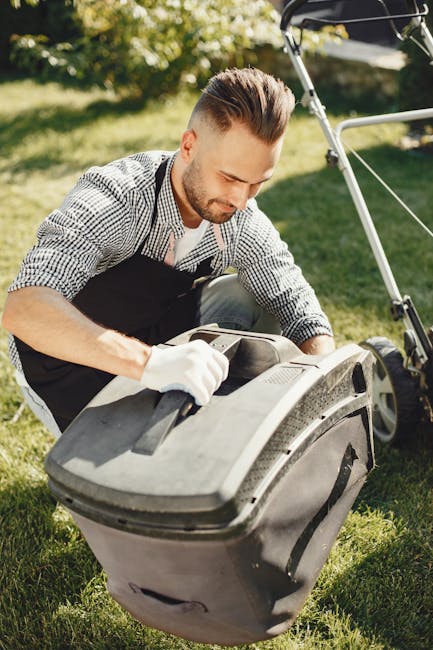
Kilburn High Road garden maintenance guide for homeowners
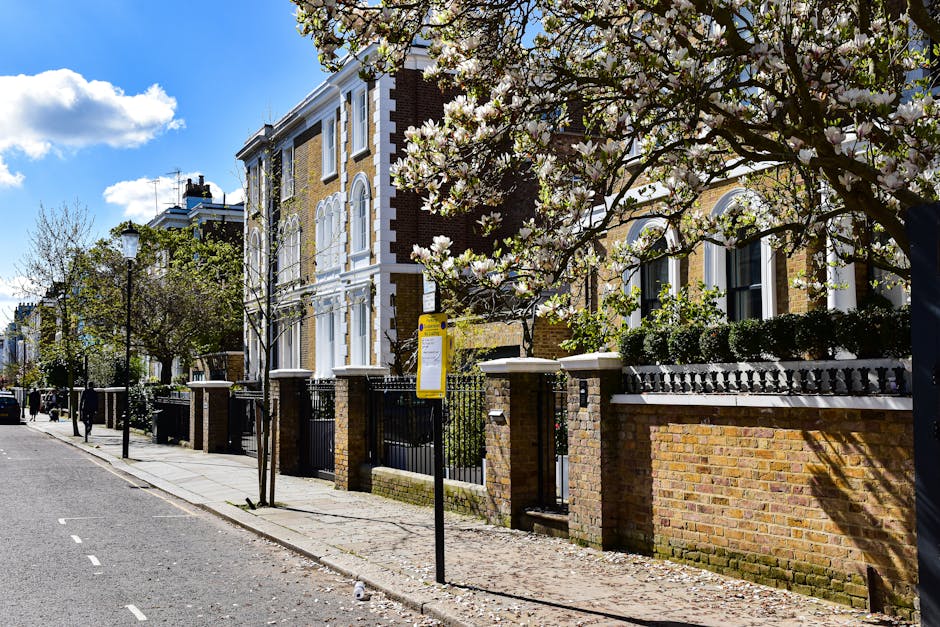
If you live near Kilburn High Road, garden upkeep can feel oddly tricky. Space is often limited, the weather swings between damp and dry, and a garden can go from tidy to tangled in what feels like a single week. This Kilburn High Road garden maintenance guide for homeowners is designed to help you stay ahead of that cycle with practical, realistic advice you can actually use, whether you have a compact rear yard, a small front garden, or a slightly unruly patch that has been left to its own devices for a while.
We'll walk through what garden maintenance really involves, why it matters in a London setting, how to approach it season by season, and where professional help can make life easier. There's also a checklist, a comparison table, and a few honest notes on common mistakes. No fluff. Just the sort of guidance that keeps a garden looking lived-in rather than neglected.
Why Kilburn High Road garden maintenance matters
Gardens along busy high streets and tightly packed residential roads face a different kind of pressure from larger suburban plots. Dust, foot traffic, shaded boundaries, overhanging trees, front-facing beds, and limited access all change how maintenance should be handled. A garden that looks fine for a month can quickly start to feel cramped, weedy, and a bit tired if it is not cared for regularly.
For homeowners, the value goes beyond appearance. Regular maintenance helps protect paving, fences, lawn edges, planting beds, and hard-to-see corners where problems often start. A patch of ivy near a wall might look harmless at first. Then, before long, it is climbing under gutters, shading out other plants, and making future work harder. If ivy is already becoming a nuisance, this guide to getting on top of ivy invasions is useful background reading.
There is also the simple reality of time. Many homeowners want the garden to be attractive without turning every weekend into a maintenance project. That is fair enough. A sensible routine creates a garden that is easier to enjoy, easier to keep safe, and less expensive to rescue later. Truth be told, the best garden is not always the fanciest one. It is the one that keeps moving in the right direction.
How Kilburn High Road garden maintenance guide for homeowners works
Garden maintenance works best when it is broken into small, repeatable jobs. Instead of trying to do everything at once, you divide the work into clear tasks: mowing, pruning, edging, weeding, feeding, watering, clearing debris, and checking for damage. That way, the garden never gets so far behind that the job feels overwhelming.
In practical terms, most home gardens need three rhythms of care:
- Weekly or fortnightly tasks such as mowing, light weeding, deadheading, and checking watering needs.
- Monthly tasks such as hedge shaping, trimming back growth, feeding plants, and cleaning paths or patios.
- Seasonal tasks such as leaf clearance, winter protection, soil improvement, and replanting tired areas.
Some homes near Kilburn High Road also benefit from more strategic work: creating privacy with hedges, switching to lower-maintenance planting, or using ground cover to reduce bare soil and weed growth. If that sounds like your garden, you may want to look at ground cover plant ideas that reduce bare patches or even the broader garden maintenance service information if you are comparing options.
A good maintenance plan also respects the shape of the space. Narrow side returns need different attention from front gardens or raised beds. Container gardens need more watering and feeding, while lawns need consistency. The method is not complicated, but it does need regularity. Miss it too often, and the garden starts making the decisions for you.
Key benefits and practical advantages
The biggest benefit of good garden maintenance is control. You decide what the garden becomes, instead of battling whatever has taken over this season. That sounds obvious, but homeowners often underestimate how much calm comes from simply keeping on top of things.
Here are the main advantages you will notice:
- Better kerb appeal if your garden is visible from the street or shared access areas.
- Healthier plants because dead material, overcrowding, and poor airflow are kept in check.
- Less weed pressure when borders are topped up, mulched, and routinely cleaned.
- Safer surfaces on paths, patios, decking, and steps that can otherwise become slippery or cluttered.
- More usable space for sitting, playing, growing, or simply breathing out for a moment.
- Lower long-term repair costs because small problems are caught early.
There is a subtle lifestyle benefit too. A maintained garden invites use. You sit out for ten minutes after work. You notice the roses. You water the herbs. It sounds small, but these bits add up. That is the magic, really.
If your aim is to make the garden easier rather than busier, it can help to learn a few beginner-friendly habits from these practical tips for easier gardening and then simplify the planting scheme with low-fuss choices. For homeowners who want better soil as part of the picture, using organic waste to enrich soil is a sensible, sustainable approach.
Who this is for and when it makes sense
This guide is for homeowners who want their garden to look tidy, function well, and stay manageable without constant rescue work. That might mean you are new to home ownership, returning to gardening after years away, or simply dealing with a garden that has got away from you a bit. Happens to the best of us.
It makes particular sense if you:
- have a small to medium-sized garden that needs routine care rather than redesign
- want to improve a tired front garden or entrance area
- are trying to keep hedges, shrubs, and grass under control
- need a safer outdoor space for children or pets
- prefer practical maintenance over major landscaping
- have limited time and want a workable routine
It also suits people who are weighing up whether to handle everything themselves or bring in help for the heavier jobs. If that is where you are, it may be worth reviewing the wider gardening services overview and thinking through what you genuinely enjoy doing versus what you would rather hand off.
Sometimes the question is not "Can I do it?" but "Should I be doing all of it?" Very different question. Much more useful.
Step-by-step guidance
A solid maintenance routine does not need to be complicated. The trick is to start with the visible basics, then move to the less obvious jobs that keep everything stable.
1. Walk the garden before you do anything else
Take a slow look at the whole space. Notice what is overgrown, where weeds are gathering, whether any plants are struggling, and whether surfaces are dirty or slippery. This first scan gives you a plan instead of a random list.
2. Clear the obvious clutter
Remove fallen branches, broken pots, dead leaves, spent flowers, and anything that is making the space feel untidy. This is quick work, but it changes the mood of the garden straight away.
3. Tackle weeds properly
Do not just snap the top off and hope for the best. Pull weeds from the root where possible, especially in borders and around paving joints. If weed pressure keeps returning, a smarter approach to prevention will help; this weed control guide covers the basics well.
4. Shape hedges and shrubs
Trim hedges lightly and regularly rather than waiting for a dramatic cutback. Overgrown hedges can block light, reduce airflow, and make the garden feel smaller. If you want guidance specifically on hedge work, hedge trimming support in Kilburn can be helpful.
5. Cut the lawn with care
Keep mower blades sharp and avoid scalping the grass. In a smaller London garden, mowing a little and often usually gives a cleaner result than leaving it too long. If the lawn has become patchy or thin, regular aftercare matters as much as the cut itself. For a deeper look, see lawn care guidance and the practical lawn mowing service page.
6. Feed and refresh the soil
Healthy soil underpins everything. Add compost, well-rotted organic material, or mulch where appropriate. If your borders are getting tired, this is often the step that makes the biggest difference over time. It is not glamorous, granted, but it works.
7. Check watering and drainage
Container plants, newly planted shrubs, and thirsty borders need attention during dry spells. At the same time, poor drainage can be just as damaging as drought. Watch for soggy spots, moss buildup, and waterlogged roots after rain.
8. Finish with a clean edge
Edging beds, paths, and lawns makes the whole garden look sharper. This is one of those little jobs that has an outsized effect. A garden with crisp edges feels cared for, even if it is modest in size.
Expert tips for better results
If you want maintenance to feel less reactive, think in terms of prevention. That means choosing plants and materials that reduce work later, not just look nice on day one.
Use ground cover in the right places. It is one of the easiest ways to reduce exposed soil and slow weed growth. In shaded spots or under shrubs, this can be a game changer. If you are considering planting for that purpose, the article on ground cover plants for UK gardens is a useful companion piece.
Keep pathways and access points clear. A side return piled with plant pots, hosepipe coils, and leaf litter becomes annoying very quickly. Clean access is not just about looks; it makes every maintenance job easier.
Prune for shape, not drama. Heavy cuts can shock plants and leave gaps that look worse than the original issue. A lighter touch, repeated more often, is usually better.
Match plants to conditions. Shade, wind, and exposure matter. A plant that struggles in a bright, gusty corner will need more intervention than one suited to the site. If your garden is open to airflow, this guide to windy garden conditions may help you avoid the wrong choices.
Build maintenance into the design. Wide borders, simple planting groups, and easy-access beds reduce the amount of fiddly work. A lot of "low maintenance" gardens are really just well designed. That is the secret, if there is one.
And yes, the odd mug of tea mid-task helps. Not technically horticulture, but still.
Common mistakes to avoid
Most garden problems do not begin with one huge error. They build slowly from small habits. These are the ones that catch homeowners out most often.
- Leaving pruning too long until shrubs become woody and harder to shape.
- Overwatering containers because the surface looks dry while the compost below is still wet.
- Ignoring ivy and climbers until they start moving into gutters, fences, or walls.
- Cutting lawns too short in one go, which weakens the grass and can expose bare patches.
- Using the wrong tools so jobs take longer and look rougher than they should.
- Skipping seasonal cleanup and then wondering why pests, disease, or weeds are building up.
One especially common mistake is trying to "catch up" in a single frantic weekend. The garden usually suffers for it. You do better with steady, smaller efforts. It sounds boring, but it is the truth.
If your garden has already become overrun, a reset might be needed before maintenance feels manageable again. In that case, the broader thinking in establishing the foundations for a garden makeover may give you a clearer starting point.
Tools, resources and recommendations
You do not need a shed full of specialist kit to maintain a homeowner garden well. A few reliable tools are enough, provided they are used consistently.
| Tool or resource | Best use | Why it helps |
|---|---|---|
| Hand fork and trowel | Weeding, planting, soil work | Good for beds, borders, and containers |
| Bypass secateurs | Small pruning jobs | Cleaner cuts on stems and shoots |
| Hedge shears or trimmer | Shaping hedges | Useful for keeping growth even |
| Lawnmower | Routine grass cutting | Essential for neat lawns |
| Leaf rake | Seasonal clearance | Helps with debris and airflow |
| Compost or mulch | Soil improvement | Supports moisture retention and structure |
| Garden gloves and sturdy footwear | General upkeep | Protects hands and improves grip |
If you are building a kit from scratch, start with the basics rather than buying everything at once. The tool essentials guide for gardeners is a sensible reference if you want to avoid cluttering the shed with fancy things you will never use.
For harder jobs, it can be worth comparing maintenance support with related services such as patio cleaning, tree surgery, fencing, or landscaping if the garden needs more than routine tidy-up work. Not every issue is a mowing issue, after all.
Law, compliance, standards, or best practice
For most homeowners, garden maintenance is mainly about safety, neighbourly consideration, and keeping the property in good condition. Still, a few practical standards are worth keeping in mind.
Safety first. Use tools properly, wear gloves and suitable footwear, and keep an eye on trip hazards, especially when moving clippings or pruned branches. If you hire help, it is sensible to work with providers who treat safety properly and can explain their approach clearly. The site's insurance and safety information and health and safety policy are the kind of pages you would expect to review before any larger job.
Respect boundaries and access. In shared or narrow properties, branches, hedges, and climbing plants can easily drift into neighbouring space. It is best practice to keep growth controlled and avoid creating avoidable disputes. A civil conversation early is much better than a messy repair later.
Waste handling matters. Garden waste should be removed or composted responsibly. Large piles of cuttings left sitting around can attract pests and make paths hazardous. If your tidy-up is extensive, ask in advance how waste is managed and whether it is included in a quote. Pricing details are often clearer once you read the pricing and quotes information.
Specialist work belongs with specialists. If a tree is unsafe, a fence is failing, or a deck is deteriorating, do not treat those as ordinary maintenance jobs. That is where proper service categories matter, and why homeowners sometimes look at who the team is before booking anything substantial.
Options, methods, or comparison table
There is no single right way to maintain a garden. The best approach depends on your time, budget, and how much of the work you want to keep in-house.
| Approach | Best for | Pros | Trade-offs |
|---|---|---|---|
| DIY routine | Hands-on homeowners with spare time | Flexible, low direct cost, full control | Can slip behind quickly if life gets busy |
| Hybrid approach | People who want to keep some jobs but outsource the heavy ones | Balanced, practical, scalable | Needs planning and clear task split |
| Professional maintenance | Busy households or gardens needing a reset | Consistent results, saves time, good for awkward tasks | Higher ongoing cost than DIY |
For many homeowners, the hybrid model is the sweet spot. You might mow, water, and deadhead yourself while bringing in help for hedge trimming, clearance, or seasonal work. That often feels more realistic than trying to do everything at the same standard every week. It also fits better with the way London life tends to run: busy, interrupted, and not always on schedule.
If you are exploring support, it can be useful to compare broader maintenance with regular lawn mowing or more comprehensive lawn care, depending on what the garden is actually asking for.
Case study or real-world example
A homeowner near Kilburn High Road had a small back garden that had slowly become a "do it later" space. The lawn was uneven, the borders were thin, one hedge had begun leaning out of shape, and a path near the back door stayed grimy after rain. Nothing dramatic. Just enough small issues to make the whole area feel tired.
The fix was not a full redesign. That is the important bit. First came a proper clear-out: leaves, broken plant supports, a few overgrown stems, and a lot of weed growth around the paving. Then the hedge was reduced gently rather than hacked back. The lawn was mown at a sensible height, the borders were topped up with compost, and a couple of hardy plants were added where bare patches had been dominating the view.
Within a few weeks, the space looked calmer. Not perfect. Just calmer, cleaner, and more intentional. The homeowner could sit outside again without mentally listing all the jobs that still needed doing. That feeling matters more than people admit. A garden should not constantly remind you of unfinished work.
For a small London garden, that is usually the whole game: remove friction, restore shape, and keep maintenance simple enough that it does not collapse under its own weight.
Practical checklist
Use this checklist to keep your Kilburn High Road garden on track through the year:
- Walk the garden and note what needs attention
- Remove dead leaves, branches, and general clutter
- Pull weeds before they seed or spread
- Mow the lawn at a steady, suitable height
- Trim hedges and shrubs lightly and regularly
- Check containers for dryness and feed where needed
- Add compost or mulch to tired borders
- Inspect paths, patios, steps, fences, and deck edges for wear
- Watch for ivy, climbers, or self-seeded growth near walls and gutters
- Review what is worth doing yourself and what may need help
Quick takeaway: if you keep the garden clean, cut back, edged, and fed, you avoid most of the expensive or exhausting problems later on.
If you want help turning that checklist into a realistic routine, a good first step is to browse the company's garden maintenance options and then get in touch through the contact page when you are ready.
Conclusion
A well-kept garden near Kilburn High Road does not have to be elaborate. It just needs attention, rhythm, and a plan that fits real life. Start with the visible jobs, keep weeds and hedges under control, look after the soil, and make decisions that reduce work rather than adding to it. That is how ordinary outdoor spaces become genuinely pleasant places to live with.
The best results usually come from consistency, not grand gestures. A few small actions done regularly will outperform one heroic tidy-up every now and then. And once the garden is back on your side, you will notice it immediately. It feels easier to open the back door. That matters.
Get a free quote today and see how much you can save.
Frequently Asked Questions
How often should homeowners maintain a garden near Kilburn High Road?
Most gardens benefit from weekly or fortnightly attention, even if it is only a short session. The exact frequency depends on lawn growth, planting density, and how much shade or exposure the garden gets. Smaller urban gardens often need lighter but more regular upkeep.
What is the most important part of garden maintenance?
Consistency. If you stay on top of weeds, mowing, edging, and pruning, most problems never become serious. Soil care is also a big one, because healthy soil makes every other job easier.
Can I maintain a small garden myself without hiring help?
Yes, many homeowners can. A small garden is often manageable with a simple routine and a few basic tools. If the job starts involving heavy pruning, awkward access, or recurring overgrowth, it may be worth getting help for those specific tasks.
What garden tasks are usually best left to professionals?
Heavier hedge work, large clearance jobs, tree work, damaged fencing, and tricky patio or decking issues are often better handled professionally. Anything that involves safety risk or specialised equipment should be approached with care.
How do I stop weeds from returning so quickly?
Remove them fully, improve soil coverage with mulch or planting, and keep on top of edging and debris. Weeds love bare soil and neglected corners, so reducing those conditions helps a lot.
Is lawn mowing enough to keep a garden tidy?
Not quite. Mowing helps the garden look neat, but borders, hedges, paths, and beds all need attention too. A lawn-only approach can still leave the rest of the garden feeling unmanaged.
What should I do with ivy if it is spreading on walls or fences?
Do not leave it until it has covered the structure. Cut it back carefully, remove new growth regularly, and check for hidden stems. If the ivy has become extensive, a more structured removal plan is usually safer and easier.
How can I make garden maintenance easier over time?
Choose lower-maintenance planting, use ground cover, keep beds well mulched, and avoid overly complex layouts. A garden that is easy to move around is usually easier to care for too.
Do patios and decking need maintenance as well?
Yes. Surfaces collect dirt, algae, and debris, and that can become slippery or unsightly. Periodic cleaning helps them last longer and keeps the whole garden feeling fresh.
How do I know whether my garden needs a reset rather than routine upkeep?
If the lawn is patchy, the borders are overrun, hedges are out of shape, and the space feels hard to use, you may need a reset. After that, routine upkeep becomes much easier because the garden is back in a manageable state.
What is a realistic starting point if I feel overwhelmed?
Start with one clear task: clear debris, cut the grass, or remove weeds from the main path. Getting one visible improvement done is often enough to build momentum. A garden can feel different very quickly, honestly, once you get that first win.
How do I get a maintenance quote?
Have a look at the relevant service pages, note the main tasks you need help with, and then use the contact page to request a quote. The more specific you are about access, size, and problem areas, the easier it is to get a useful estimate.
And if the garden is waiting on you this weekend, that is fine. Start small. One border, one hedge, one tidy corner at a time. Gardens often come back to life that way.